1800 121 5955
Key Takeaways
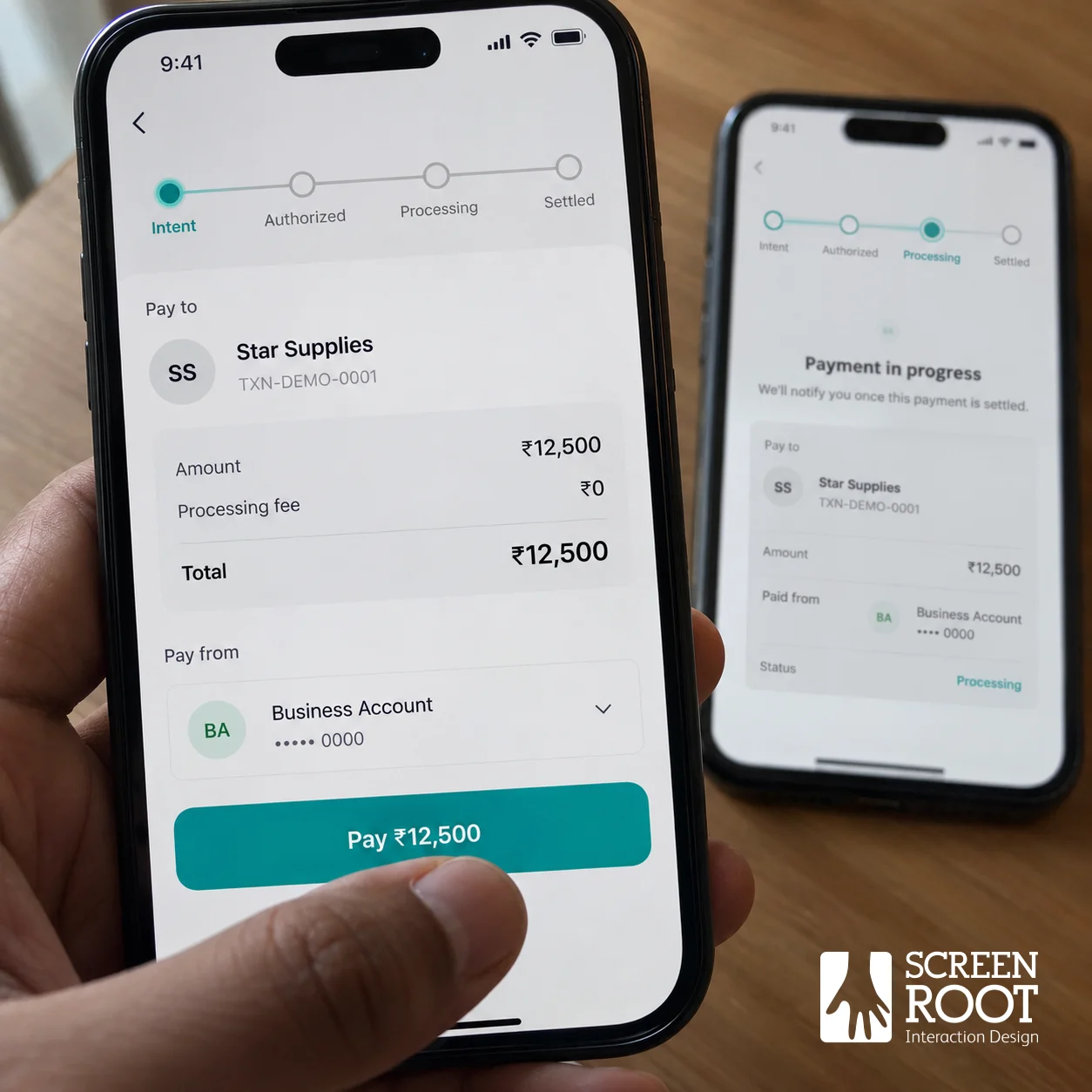
- Despite high processing speeds, 75% of development teams struggle with workflow fragility and recovery.
- Digital wallets streamline authorization, increasing checkout conversion by 22.3% on average.
- Technical idempotency must be built into the UI to prevent duplicate charges.
- Displaying separate ‘Available’ and ‘Cleared’ balances prevents user confusion and overdraft disputes.
- Transparent fee sweeps prior to authorization satisfy compliance and reduce chargeback volumes.
What Are the Strategic Stakes of Transactional UX in 2026?
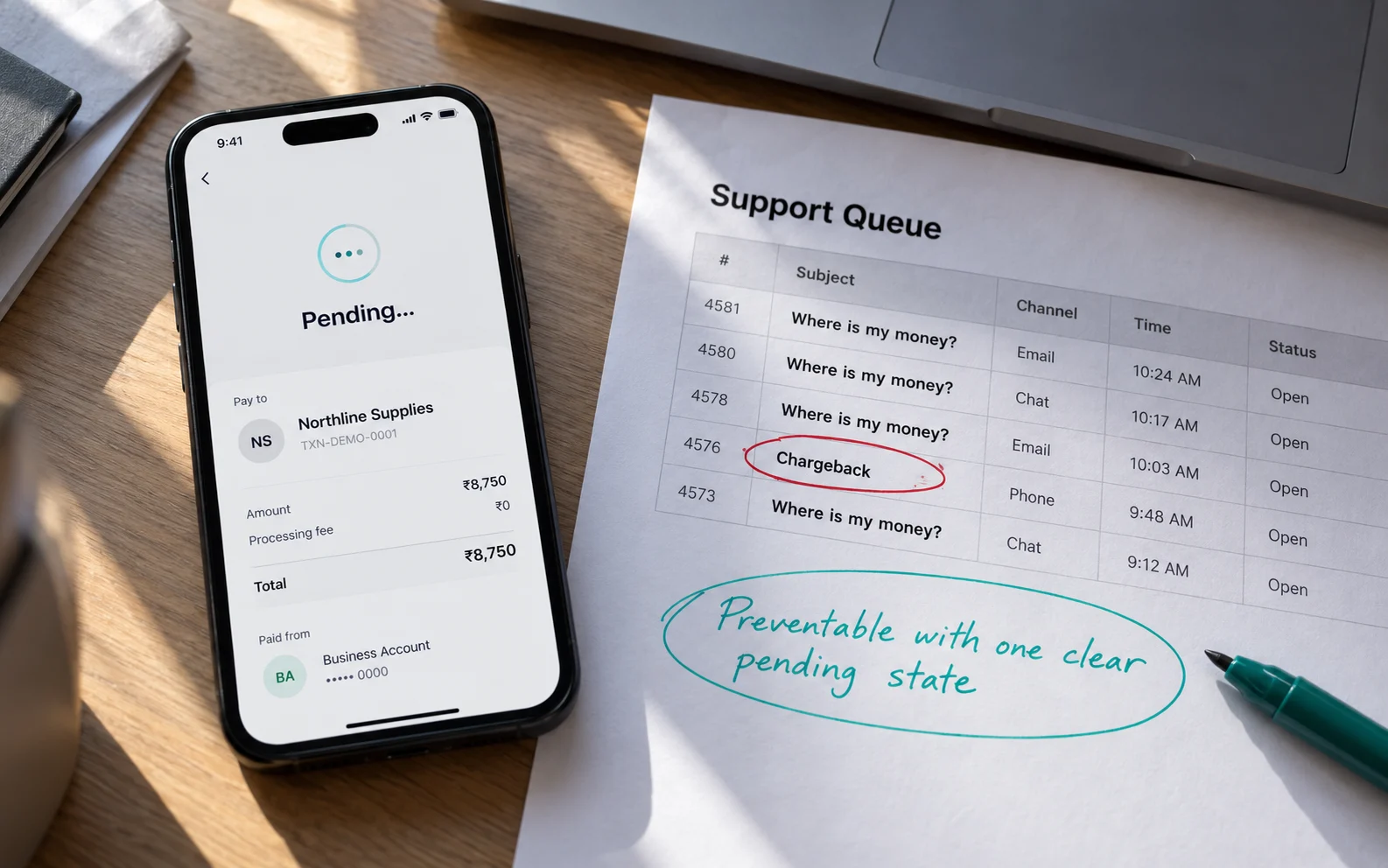
An online payment transaction flow is a promise that money will move safely. While modern systems handle 2,700 transactions per second, 75% of development teams report fragility and recovery issues. In regulated sectors, an unclear pending state generates support tickets, chargebacks, and regulatory complaints. Superior transaction flow UX aligns technical idempotency, regulatory transparency, and psychological safety.
How Do You Architect Payment Flows for Technical Integrity and Idempotency?
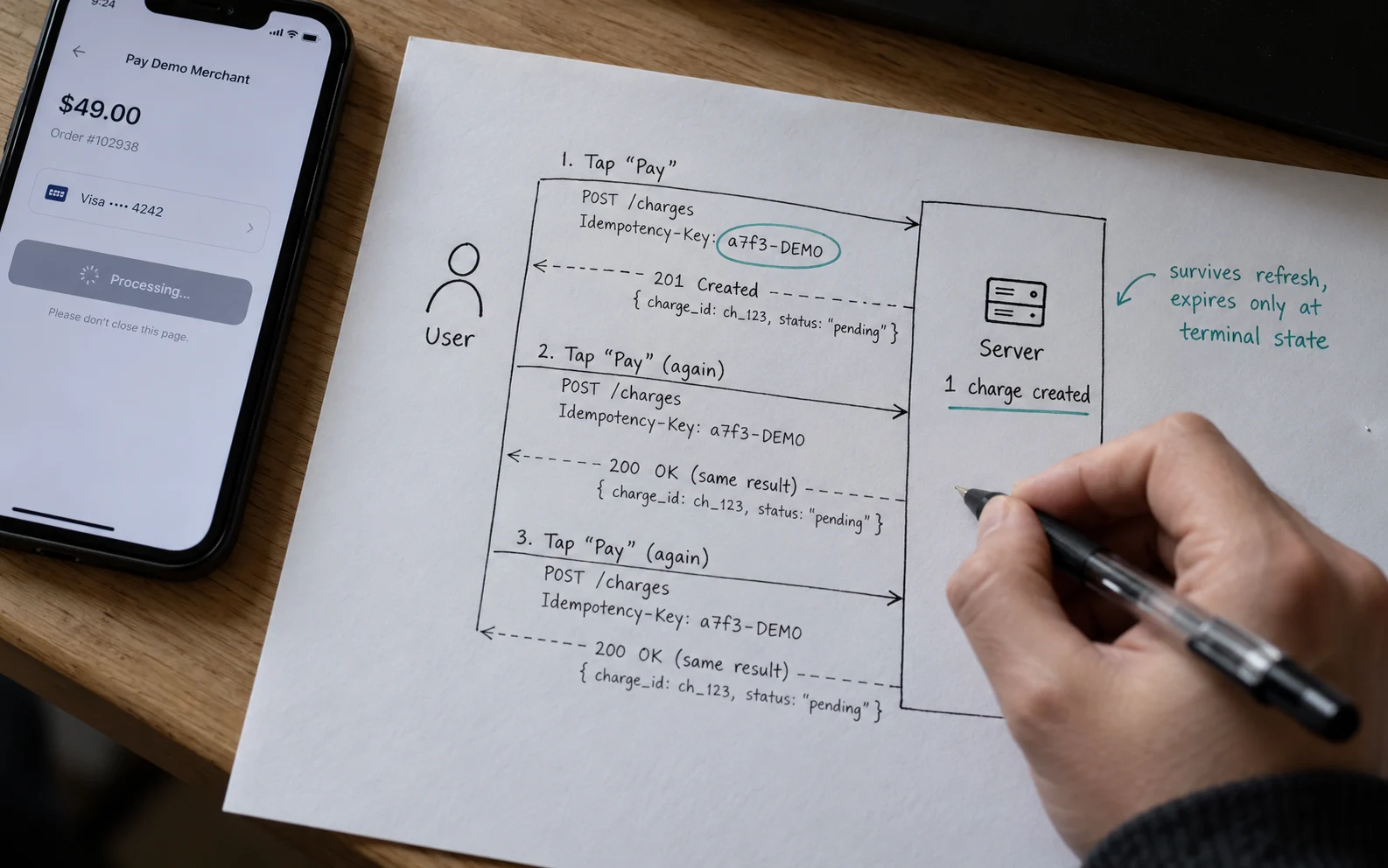
Idempotency ensures a request can be submitted repeatedly without generating duplicate charges. In a card payment processing flow, the interface must generate a unique key the moment the user forms the intent to pay. This key must scope to the transaction, survive page refreshes, and expire only on terminal states to protect ledger integrity.
How Should You Design for Failure and Processing Times?
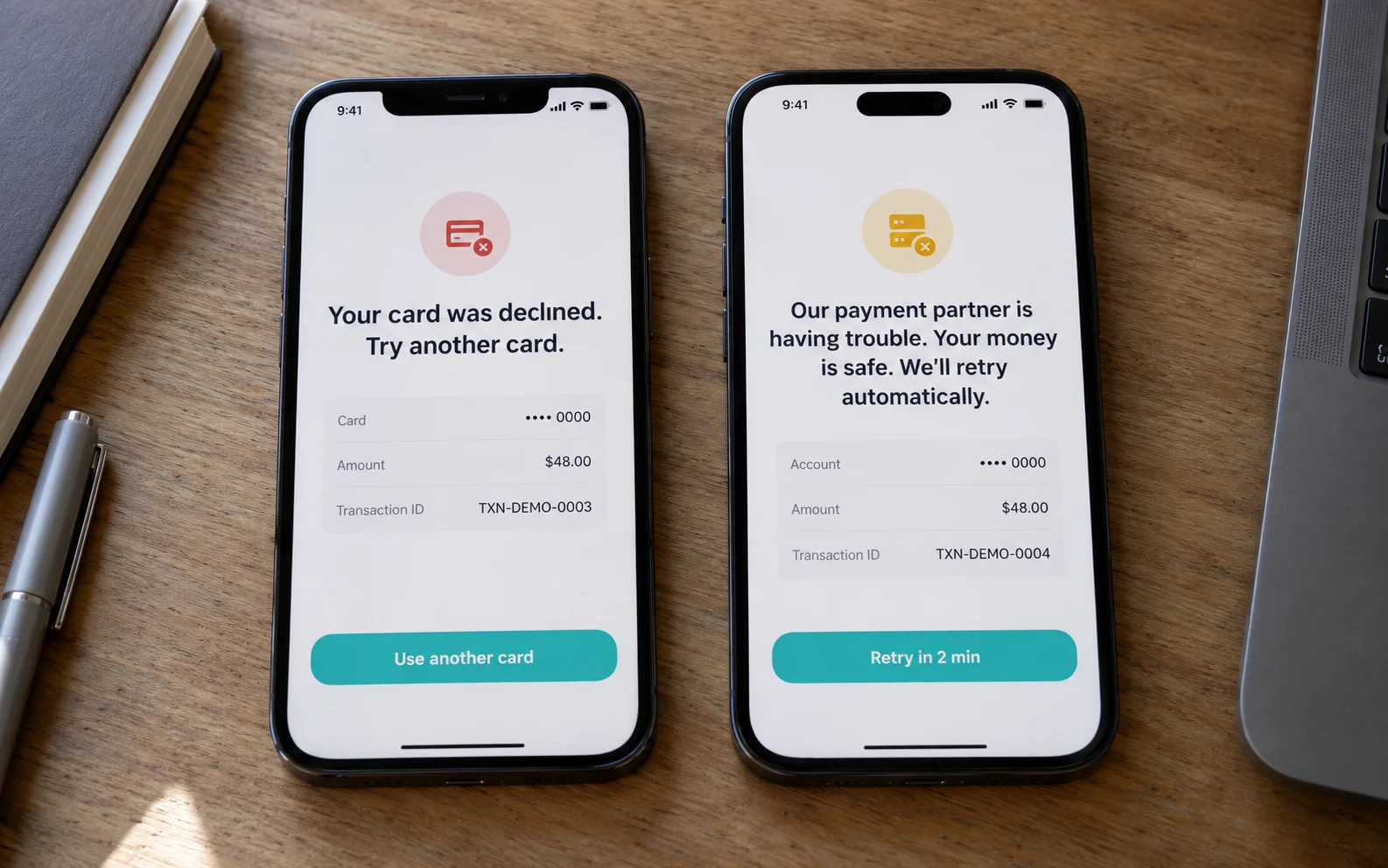
Every transaction runs on two clocks: technical settlement cycles and psychological user wait times. Good payment system design reconciles these by converting anxious waiting into tolerated waiting through clear pending states. When failures occur, the interface must separate user faults from rail outages and provide exactly one clear next action.
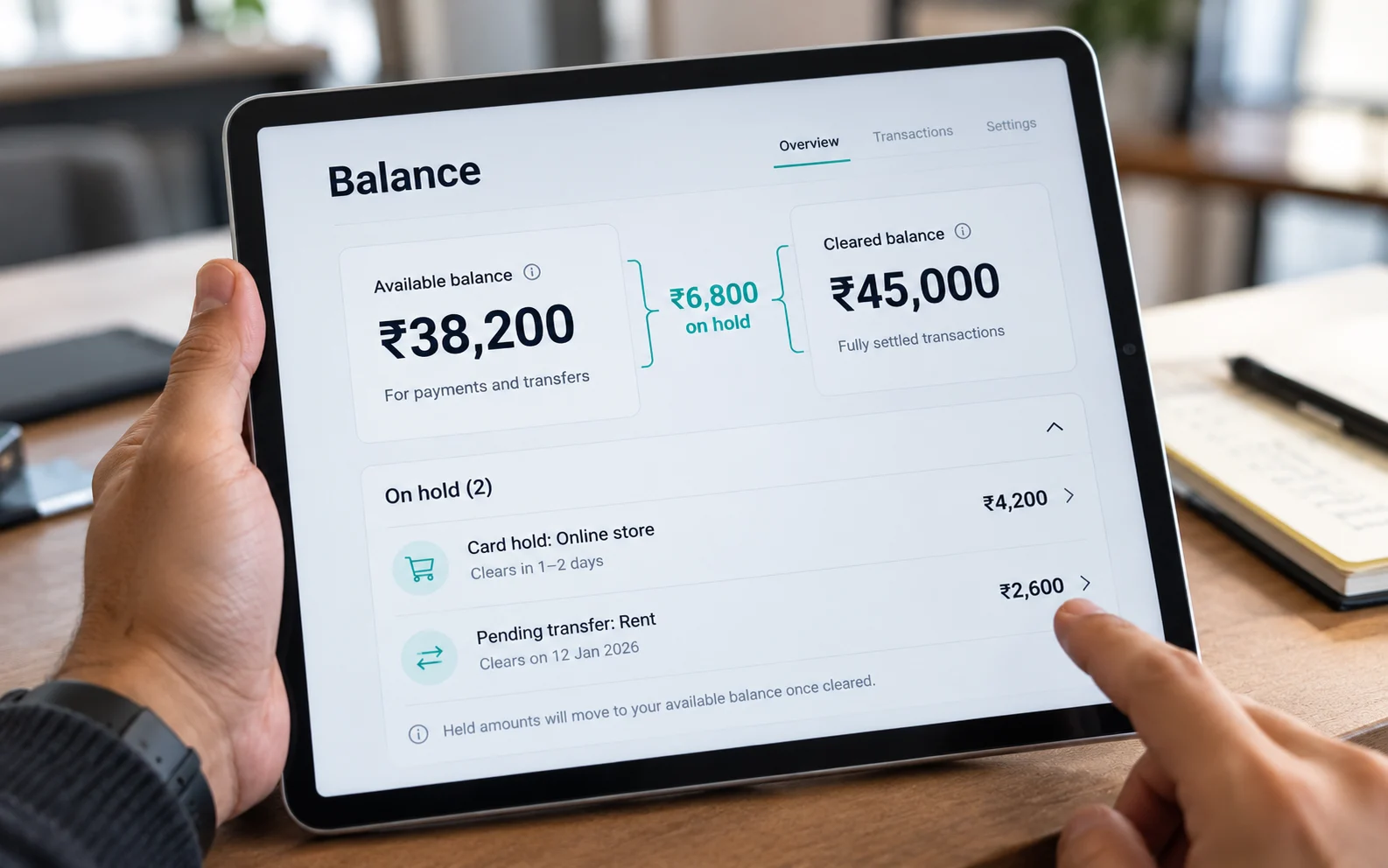
How Do You Manage Transparency Between Available vs. Cleared Balances?
Reconciling technical realities with user expectations requires the shadow ledger pattern. The interface must clearly distinguish between Available Balance (what can be spent immediately) and Cleared Balance (settled funds). Making hold transitions visible prevents balances from changing without explanation, maintaining user trust.
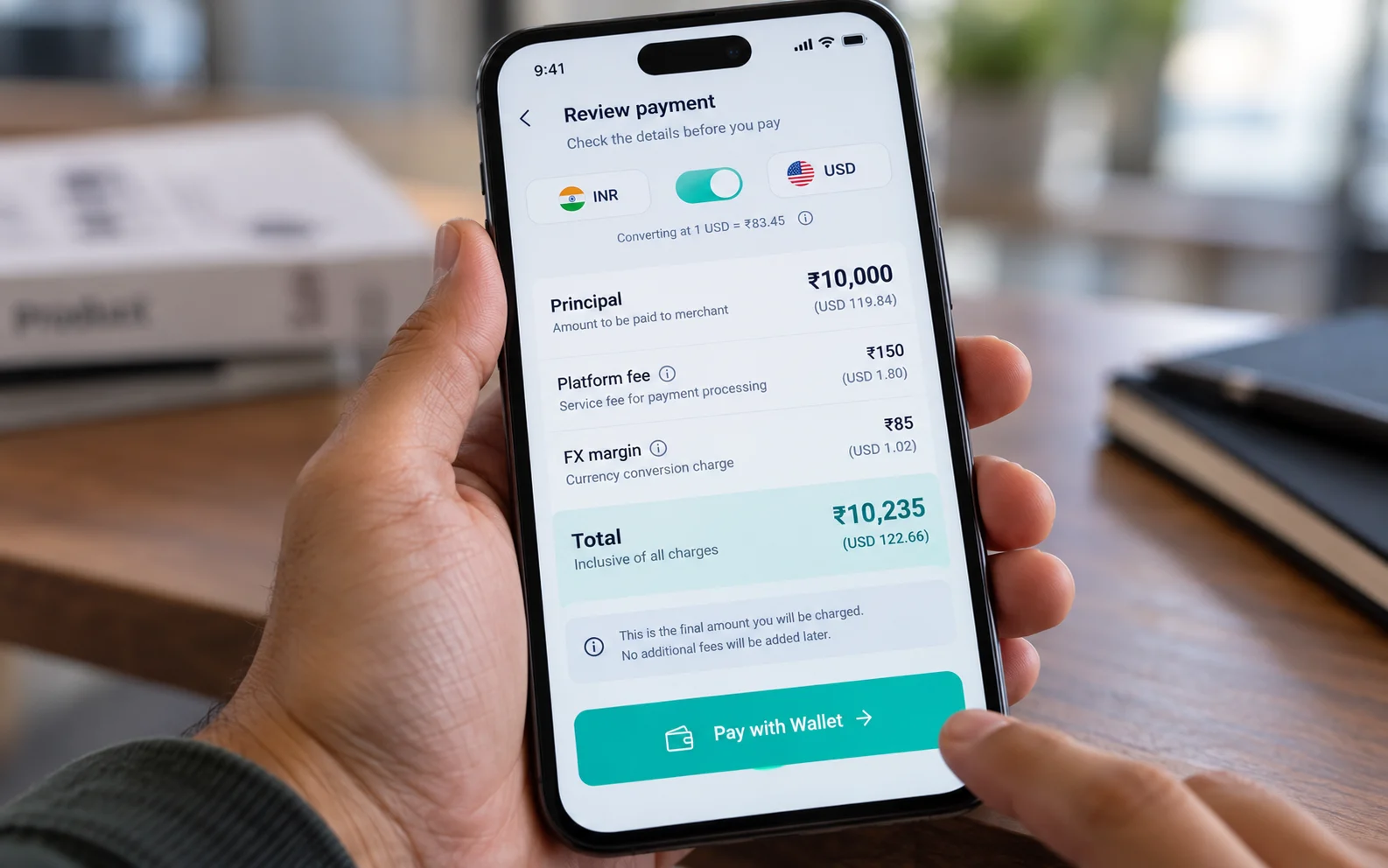
What Are the Regulatory Compliance Requirements for Fee Sweep UX?
Fee disclosure is a strict compliance control. Every charge, including platform fees and FX margins, must appear before authorization. High-quality transaction flow UX lists the principal as the anchor figure, recalculates live as parameters change, and integrates seamless authorization via digital wallets, which have been shown to increase conversion by 22.3%.
Frequently Asked Questions
What is an online payment transaction flow?
It is the end-to-end digital sequence a user experiences when moving money, encompassing intent, authorization, routing, failure handling, and final settlement.
Why is idempotency important in payment system design?
Idempotency prevents duplicate charges if a user repeatedly clicks ‘Pay’ or experiences network timeouts, protecting both the user’s funds and the platform’s ledger integrity.
How can transaction flow UX reduce chargebacks?
By providing transparent itemized fee breakdowns and clear processing timelines before authorization, users are fully informed, reducing post-transaction disputes.
What is the difference between available and cleared balance?
Available balance reflects funds that can be spent right now (factoring in pending holds), whereas cleared balance shows officially settled funds logged in the bank’s core ledger.
Written by Team ScreenRoot. 16+ years leading enterprise UI/UX research for BFSI, SaaS, and Healthcare clients.
When you’re ready, let’s talk.
📞 Call us (Toll-Free): 1800 121 5955 (India)
✉️ Email us: [email protected]