1800 121 5955
Think about the last time you used an app that felt right. Everything was easy to find. Every tap made sense. That didn’t happen by accident, a skilled user experience design agency made it happen.
Today, users expect digital products to be fast, intuitive, and enjoyable. If your app or website frustrates them, they leave. It’s that simple. Businesses that invest in thoughtful user experience design win more customers and keep them longer. Those that don’t? They lose them to competitors who do.
That’s where a user experience design agency comes in. These teams specialize in understanding user needs, mapping out seamless digital experiences, and designing interfaces that actually work for real people. From user research and wireframing to UI UX design and usability testing, they handle the full design process, so your product doesn’t just look good, it performs well too.
Whether you’re building a new digital product from scratch or improving an existing one, the right design partner can make all the difference. Good design isn’t just about visuals. It’s about solving real problems for real users, while keeping your business goals front and center.
In this article, we’ll break down what a UX design agency does, how to spot the signs you need one, and how to choose the right team for your project.
What Does a User Experience Design Agency Actually Do?
Most people assume UX is just about making things look pretty. In reality, it goes much deeper than that. A user experience design agency shapes how people feel when they use a digital product, and that feeling determines whether they stay or leave.
UX Design: More Than Meets the Eye
UX design is about how easy and enjoyable a product is to use. Think of it like a grocery store layout. If you can find what you need quickly and check out without confusion, that’s good UX. If you’re wandering the aisles frustrated, that’s bad UX. The same logic applies to every app, website, or digital product you build.
UI vs. UX: What’s the Difference?
People often mix these two up, so let’s clear it up fast. UX (User Experience) is the overall journey a user takes through your product. UI (User Interface) is the visual layer, including the buttons, colors, and typography users interact with. Think of UX as the blueprint of a house. UI is the interior design. Both matter, but UX always comes first.
The Core Services a UX Agency Offers
A good UX team doesn’t just open a design tool and start drawing screens. They follow a structured design process that covers several key areas.
User Research comes first. Before designing anything, the team studies real users, their habits, frustrations, and expectations. This includes user interviews, surveys, and behavioral analysis. Research removes guesswork entirely.
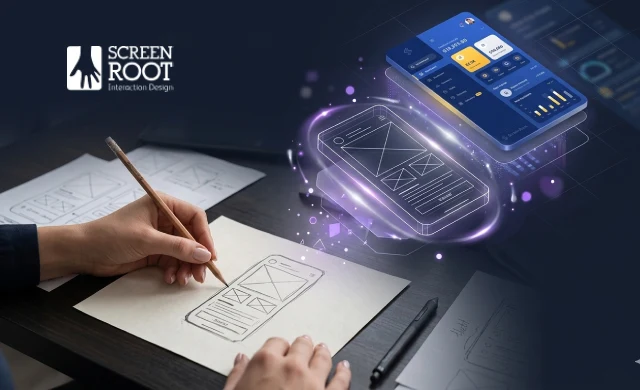
Wireframing comes next. A wireframe is a simple, no-frills sketch of a screen layout. It maps out where elements go without any visual design added yet. It’s quick, low-cost, and easy to change.
Prototyping takes that wireframe and makes it interactive. Users can click through it like a real product, but nothing is coded yet. This step saves enormous amounts of time and money by catching problems early.
Usability Testing puts the prototype in front of real users. The team watches how people interact with it, notes where they struggle, and uses that feedback to improve the design.
Information Architecture is the behind-the-scenes structure that organizes content logically. It decides how pages connect, where navigation sits, and how users move from one step to the next. Without it, even a beautiful interface feels chaotic.
How It All Comes Together
Each of these services feeds into the next. Research informs wireframes. Wireframes become prototypes. Prototypes get tested. Testing drives improvements. The result is a user-centered design that genuinely works for the people using it, not just one that looks good in a presentation deck.
This is what separates thoughtful, strategic design from surface-level aesthetics. And it’s exactly why partnering with an experienced team makes such a significant difference in the quality and success of your digital product.
Signs Your Business Needs a UX Design Agency
Bad UX doesn’t always announce itself loudly. Sometimes it hides in your analytics, your support tickets, and your declining conversion rates. Here are the signs that tell you it’s time to bring in a user experience design agency.
Your Bounce Rate Is Climbing
If users land on your website or app and leave within seconds, something isn’t working. High bounce rates usually mean the page is confusing, slow, or simply doesn’t meet user expectations. This is one of the clearest signals that your digital experience needs attention.
Users Drop Off Before Converting
People browse your product, add items to cart, start signing up, then disappear. This kind of drop-off is painful because the user was interested. Something in the flow broke their trust or confused them. Without a proper design process in place, these leaks go unnoticed and unfixed.
Customers Keep Complaining About Navigation
If your support team regularly hears “I couldn’t find it” or “the app is confusing,” that’s not a customer problem, it’s a design problem. Poor information architecture and unclear interface design frustrate users. And frustrated users don’t come back.
Your Product Design Feels Outdated
Design trends evolve fast. A product that looked modern three years ago may feel clunky today. Users compare your product to every other app they use daily. If yours feels behind, it affects how much they trust your brand.
Your Team Doesn’t Have Dedicated UX Expertise
Many businesses rely on developers or generalist designers to handle UX. But UX is a specialized discipline. It involves conducting user research, mapping user journeys, and making informed design decisions, skills that take years to develop. Without a dedicated UX team, even well-intentioned design work can miss the mark.
Why Do These Problems Happen?
Most of these pain points trace back to the same root cause: skipping user research and having no structured UX process. When teams design based on assumptions instead of real user data, they build products that work for themselves, not their users. The result is poor usability, low user satisfaction, and a product that keeps needing expensive fixes.
What Happens If You Ignore These Signs?
The cost of bad UX compounds over time. You lose conversions. You spend more on customer support. Your brand reputation takes a hit. Users switch to competitors with better digital experiences and rarely return. Investing in quality design early is always cheaper than rebuilding a broken product later.
The UX Design Process: How Agencies Build Better Products
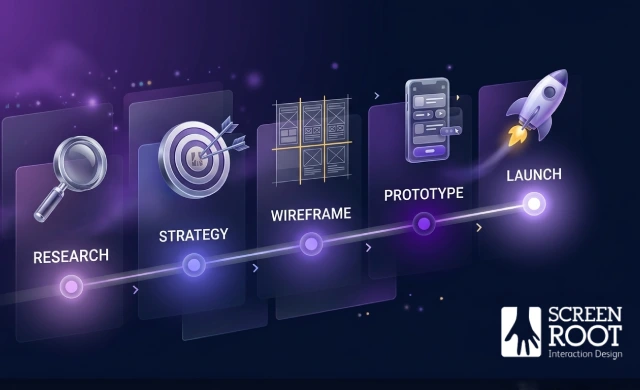
Great products don’t come from guesswork. They come from a clear, repeatable design process that puts users first at every step. Here’s how a professional user experience design agency actually works, from the first conversation to the final handoff.
Phase 1: Discovery and Research
Before anyone opens a design tool, the team gets to know your users. This phase involves user interviews, surveys, competitor analysis, and behavioral research. The goal is simple: understand who the users are, what they need, and where they currently struggle.
Think of it like a doctor running tests before prescribing medication. Skipping user research means designing based on assumptions, and assumptions are expensive to fix later. This is where UX Research lays the groundwork for every decision that follows.
Phase 2: Define and Strategy
Once the research is done, the team makes sense of it. They organize findings into user personas, fictional but data-backed characters that represent your real audience. They also map out user journey maps, which show the full path a user takes through your product, step by step.
This phase turns raw data into a clear design strategy. It answers the key question: what does this product need to do, and for whom? Aligning business goals and user needs at this stage prevents costly misalignment down the line.
Phase 3: Wireframing and Prototyping
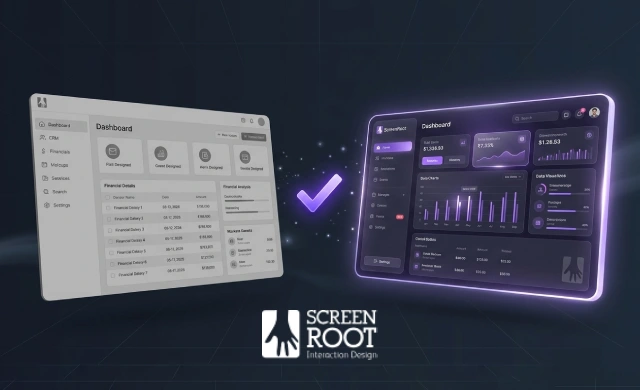
Now the designing begins, but not in the way most people imagine. Designers start with wireframes: simple, black-and-white layouts that show structure without any visual design. Think of it as the skeleton of your product.
Once the wireframe is approved, it becomes an interactive prototype. Users can click through it, navigate between screens, and experience the flow, all before a single line of code is written. This step alone can save teams enormous amounts of time and money. Catching a flawed user flow in a prototype costs far less than rebuilding it post-development. It’s also where scalable design decisions get locked in early, so there are no expensive surprises later.
Phase 4: Usability Testing
This is where real users meet the prototype. The team observes how they interact with it, where they get confused, where they drop off, and what works well. These are real user tests with real feedback, not assumptions made in a boardroom.
Every finding shapes the final design. If users struggle to find the checkout button, it moves. If the navigation confuses them, it gets simplified. Usability testing is what transforms a good-looking design into one that genuinely works. It’s also how the team ensures the product meets actual user needs, not just the ones the team assumed existed.
Phase 5: Handoff and Ongoing Support
Once the design is finalized, it moves to the development team. But a good UX agency doesn’t just hand over files and disappear. They provide detailed design specifications, design systems, and style guides so developers can build exactly what was designed, with no improvising, no guessing.
After launch, the support continues. Teams monitor how real users interact with the live product. They track what’s working and what isn’t. Then they iterate. Because great design isn’t a one-time event, it’s an ongoing process that evolves as users and business goals evolve.
How to Choose the Right UX Design Agency for Your Business
Choosing a user experience design agency is a big decision. The right partner can transform your product. The wrong one can cost you time, money, and user trust. Here’s what to look for and what to watch out for before you commit.
Look at Their Portfolio
A strong portfolio tells you a lot. It shows the range of industries an agency has worked in, the types of digital products they’ve designed, and the quality of their design work. Don’t just look for beautiful screens though. Look for evidence of structured thinking, including how they approached a problem and why they made the design decisions they did.
Check Their Design Process
Any serious agency will have a clear, documented design process. It should be research-led, structured, and repeatable. If a team jumps straight into visual design without conducting user research first, that’s a problem. Good design isn’t built on gut feelings. It’s built on a deep understanding of user behavior and user needs.
Ask How They Collaborate
Design works best as a team sport. A strong agency will involve your team throughout the project, not just at the start and end. Ask how they run design reviews, how they gather feedback, and how often they check in. The best agencies treat clients as true design partners, not just stakeholders waiting for a final file.
Review Their Case Studies Carefully
Case studies are more valuable than polished visuals. They show the real story, including the problem, the process, and the outcome. Look for measurable results. Did the redesign improve conversions? Did it reduce drop-off rates? Did it improve user satisfaction scores? A credible agency will back up its design work with data, not just aesthetics.
Consider Communication and Transparency
A great design project can go sideways fast if communication breaks down. Ask how the team shares updates, how they handle feedback, and how they manage changes mid-project. Clear communication builds trust. It also keeps the project moving without unnecessary back-and-forth or surprise delays.
Evaluate Strategic and Cultural Fit
Beyond skills and services, think about fit. Does the agency understand your industry? Do they ask smart questions about your business goals? Do they seem genuinely curious about your users? The best design partnerships happen when both sides share the same drive to build something that truly works.
Questions to Ask Before You Sign
Getting the right answers early saves a lot of headaches later. Here are a few worth asking:
- How do you approach user research for a product like ours?
- Can you walk us through your design process from start to finish?
- What does your design handoff process look like?
- How have you handled projects in our industry before?
- How do you measure the success of a design project?
Red Flags to Watch Out For
Not every agency that looks good on the surface delivers real results. Be cautious if a team skips the research phase entirely, overpromises on timelines without asking questions, shows a portfolio full of visuals but no case studies with outcomes, or struggles to clearly explain their design approach. These aren’t minor issues, they’re warning signs of a team that prioritizes aesthetics over outcomes. Design expertise without a solid process behind it rarely delivers lasting results.
Why ScreenRoot Is the UX Design Agency Your Business Needs
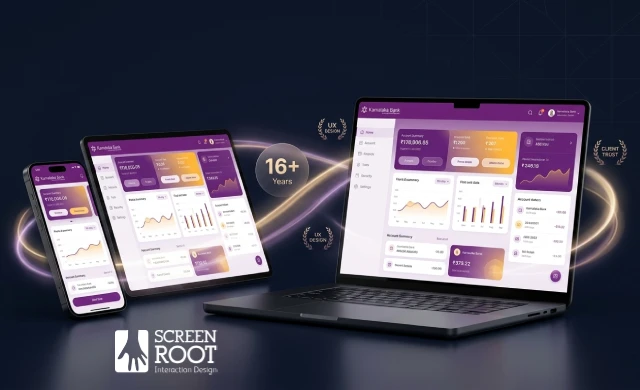
There are plenty of design agencies out there. But finding one that truly understands your users, your business, and the space in between? That’s rarer than it sounds. ScreenRoot has been doing exactly that since 2008, and the results speak for themselves.
A Team That’s Been Doing This for Over 16 Years
ScreenRoot is a specialized user experience design agency based in India, with a track record that spans banking, fintech, healthcare, travel, real estate, and more. Working with 3 of India’s Top 4 Banks, along with global brands like Pizza Hut, CEAT Tyres, Tata Capital, Medanta, and ZEE, ScreenRoot brings deep, cross-industry design expertise to every project. Whether you’re a fast-growing startup or an established enterprise, the team adapts its design approach to fit your specific product, your users, and your goals.
Research First. Always.
What separates ScreenRoot from most design companies is how seriously the team takes user research. No screen gets designed before the team understands the real pain points, behaviors, and expectations of your users. This research-led, user-centered design process means every design decision has a reason behind it, and that reason traces back directly to your users and your business goals.
Real Results From Real Projects
Here’s what this approach looks like in practice:
For Pizza Hut, ScreenRoot discovered through UX research that users who spent more than 5 minutes on the ordering flow rarely completed their order. The team redesigned the entire user journey, bringing the average ordering time down to approximately 3 minutes and compressing the checkout process to just 60 seconds. Fewer drop-offs, more conversions, and happier customers.
For CEAT Tyres, the team took a mobile-first design approach after research revealed that most of CEAT’s target users browsed on their phones. The redesign delivered a 12% increase in user engagement and a 3% uptick in lead generation. These weren’t accidental wins, they came directly from understanding user needs before designing a single screen.
A Collaborative Design Partner, Not Just a Vendor
Working with ScreenRoot doesn’t feel like handing a project off to a black box. From the very first call, you’re involved. The team runs design workshops, shares prototypes early, and invites your feedback at every stage. This collaborative, design-thinking-led approach means your team always knows where things stand.
What Working With ScreenRoot Looks Like
You start with a conversation. ScreenRoot takes time to understand your product, your users, and what you’re trying to achieve. From there, the team moves through discovery, research, strategy, wireframing, prototyping, and testing, keeping you in the loop throughout. The process is thorough but efficient. And after launch, the support doesn’t stop.
Your Next Step Toward a Better Digital Product Starts Here
Good design isn’t a luxury. It’s what separates digital products that users love from ones they quietly abandon. Throughout this article, we’ve looked at what a user experience design agency actually does, the signs that tell you it’s time to bring one in, and how the right design process can completely transform your product’s performance.
The difference between a frustrating digital experience and an intuitive one often comes down to one thing: understanding your users deeply before designing anything. That’s what user-centered design is built on. And that’s exactly what the right design partner brings to the table.
At ScreenRoot, a premier UI UX design agency, we specialize in UI UX Design, UX research, Usability Testing, UI UX Audits, and a full range of design services built around your users and your business goals. From early-stage startups to large enterprises, we’ve helped brands across industries create digital experiences that are not just visually strong, but genuinely easy and enjoyable to use.
If you’re ready to take your digital product to the next level, we’d love to talk.
📞 Call us (Toll-Free): 1800 121 5955 (India)
✉️ Email us: [email protected]
💬 WhatsApp: Reach out to us directly for a quick conversation here.
📝 Contact Form: Fill in your details on our Website Form and we’ll get back to you promptly.
Book a free discovery session today, and let’s start building something your users will genuinely love.